





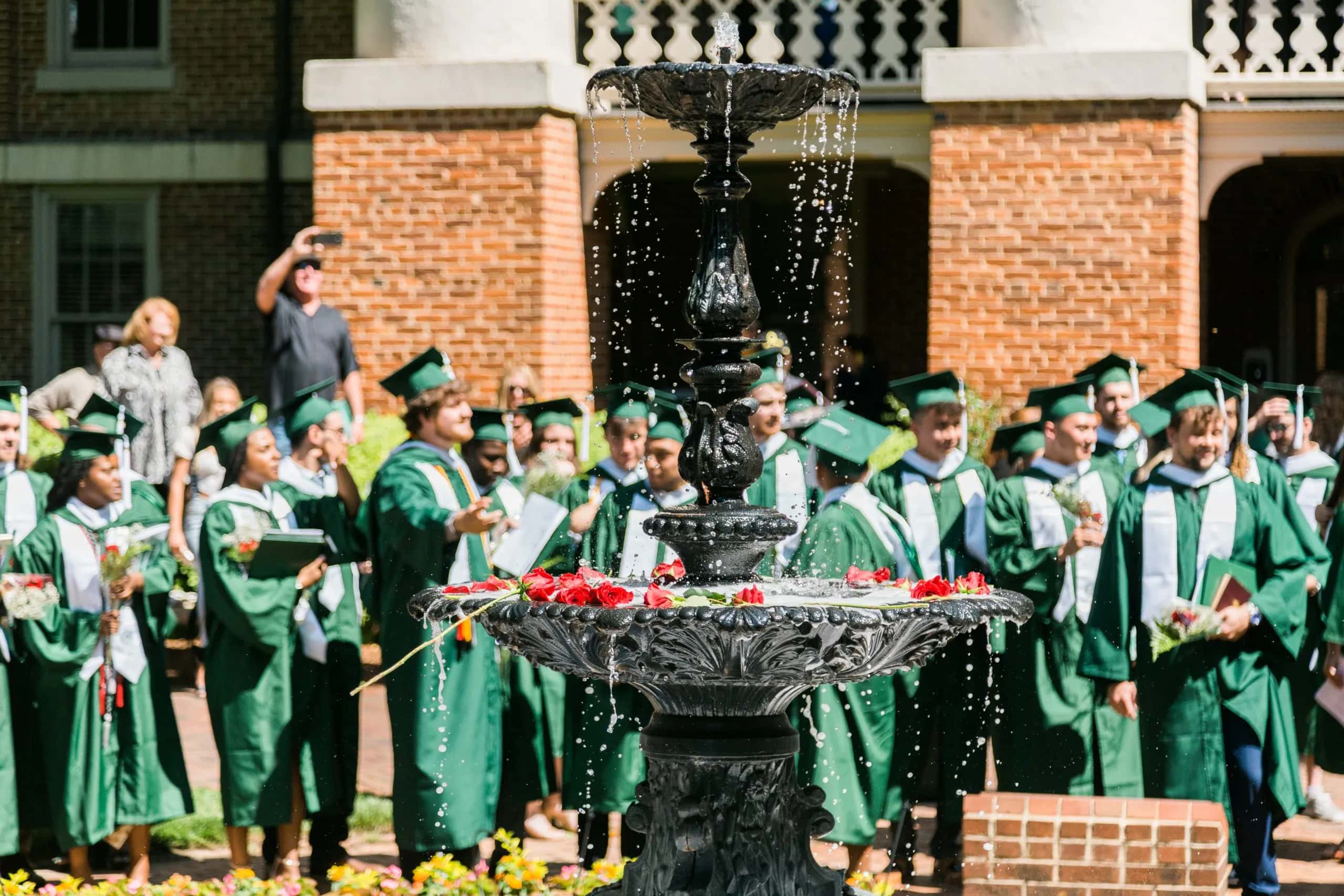








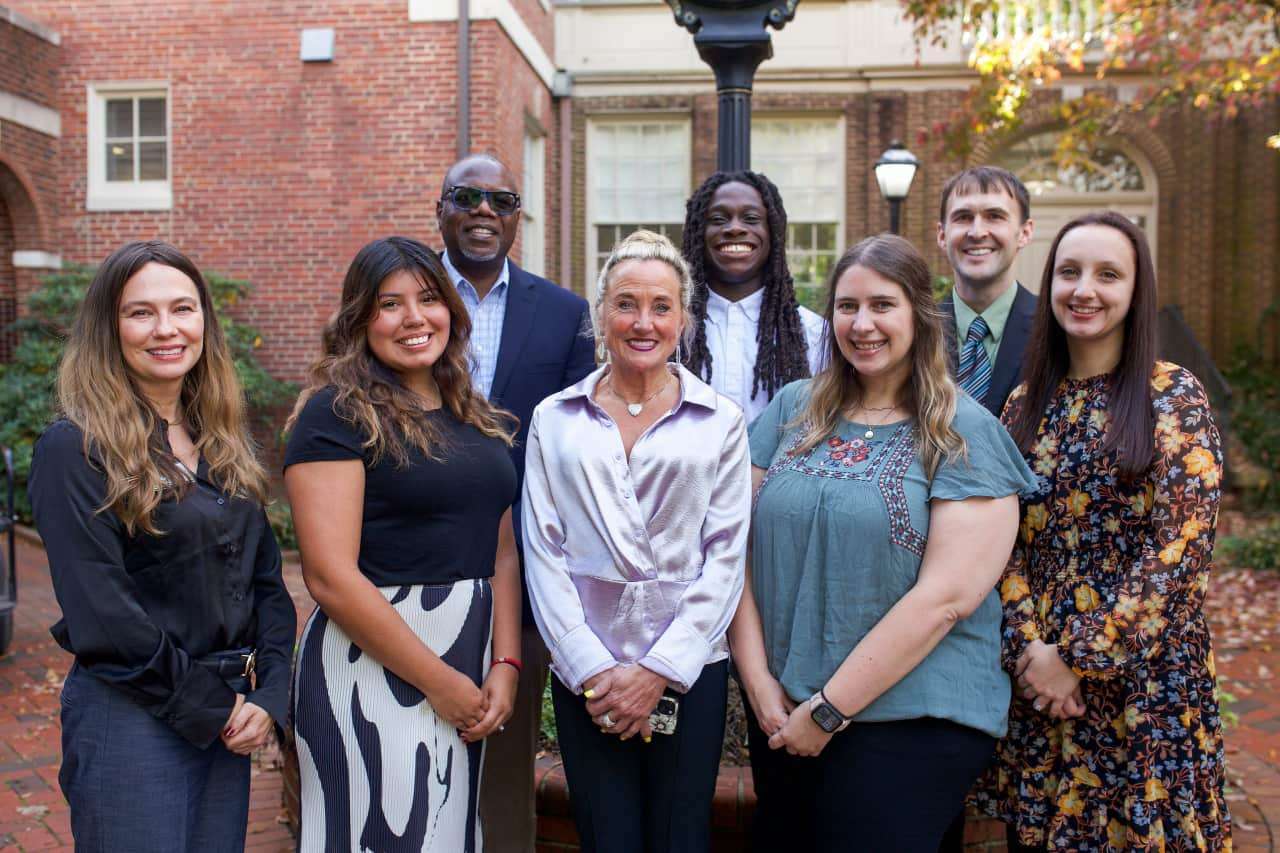




William Peace University has received a five-year, $2.99 million Title III Strengthening Institutions Program (SIP) grant from the U.S. Department of Education to expand career readiness and student success support for every Peace student. The award runs from October 1, 2026, through September 30, 2031. It is the first major competitive federal grant, and the first Title III award, in the University’s 169-year history.
“This is a milestone for William Peace University and, more importantly, an investment in the future of our students,” said President Jennifer Walsh. “It will help us deliver on our promise that every Peace student graduates with the skills, experiences, and confidence to take the next step toward a meaningful career.”
The grant also reflects the importance of federal investment in independent colleges and universities that prepare students for careers while strengthening the workforce and economic vitality of their communities.
“I am proud to be a champion of Title III grant funding and the career readiness training it supports,” said Congresswoman Deborah Ross (NC-02). “I’m thrilled William Peace University is receiving nearly $3 million for professional development resources, ensuring students can successfully move from the classroom to the workforce. Independent colleges like Peace are the backbone of our communities, creating jobs, driving economic growth, and ensuring our workforce can meet the challenges of the future. As the co-chair of the Independent Colleges Caucus, I will continue to advocate for our independent colleges. I look forward to seeing how this grant helps prepare Peace’s next generation of graduates for successful careers.”
Currently, Peace prepares students for careers through an immersive learning curriculum, required internship, and professional development opportunities. Recent analysis by the University found that these efforts, while highly effective, do not yet reach every student consistently. Pell-eligible, first-generation, and military-connected students face more barriers in achieving career readiness.
Title III grants are intended to strengthen the resources and systems that support student success. For Peace, these funds will build the staffing, dedicated spaces, support for faculty, and data systems needed to make the University’s career readiness model work for all students.
“The grant will help us connect what Peace students learn in the classroom with the support, experiences, and professional connections they need outside of it,” said Provost Lynda Szymanski. “Through career-focused spaces on campus, stronger employer partnerships, expanded access to internships, and an intentional second-year experience, students will have more ways to explore their goals and build toward the life they want. Together, these investments will make career readiness a central part of the Peace experience.”
Five career readiness initiatives will be supported by the grant.
- Peace will create a new, student-facing Career Design Studio that builds on existing career services, expanding student access to mock interviews, career counseling, and employer engagement.
- Internship and work-based learning opportunities will also be expanded through stronger employer connections and virtual internship options.
- Faculty development will grow to support the integration of career competencies into the curriculum.
- Second-year students will benefit from a more structured experience focused on career direction.
- The University will establish data reporting mechanisms that will support future refinement and growth of career readiness efforts.
“These initiatives will help Peace become an even stronger talent partner for Raleigh and the Research Triangle,” said Walsh. “With more opportunities to bring employers into the learning experience, we can better connect the talent being developed at Peace with the organizations that are growing and innovating across our region. Our students benefit from those relationships through meaningful experience and professional connections, while our community gains graduates who are prepared to contribute from the beginning of their careers.”


