















At William Peace University, three professors are challenging traditional grading systems in the classroom. Jennifer Blush, associate professor of psychology, Kristi Rittby, assistant professor of mathematics, and Wade Newhouse, professor of English, have each incorporated alternative assessment strategies in their classes. Their goal is to reduce testing anxiety and help students master the key proficiencies needed to excel in the course and beyond.
Alternative assessment has been on the rise in recent years as academic institutions look for better ways to understand students’ needs. At Peace, the approach aligns with a commitment to immersive learning and equipping students with the skills they need to succeed in their lives and careers.
“Our professors are exploring alternative grading with the hope that it will support upcoming Gen Alpha students,” said Elle Corvette, director of faculty development and immersive learning. “They have a different learning preference that they’re bringing to the table, having been raised as digital natives: the first generation to have access to technology all through their lives. Alternative grading seeks to help meet them where they are.”
While data shows that alternative assessment has benefits for skill retention and student success, skepticism about the concept remains. Instead of traditional grades and weighted averages, the approach emphasizes mastery of concepts rather than rote memorization for a single assignment.
“It puts the focus back on the learning outcomes of the course instead of just a number you need to have at the end of the term,” Rittby said. “By making the learning outcomes clear, the focus is more on the content as opposed to just the grade.”
Strategic Restructuring
When they decided to try alternative assessment in their classrooms, Blush, Rittby, and Newhouse each took a different approach. Rittby implemented specifications grading, replacing one-shot, point-accumulation exams with revision cycles that reduce math anxiety and foster a sense of belonging in college algebra.
“When they have graded assignments, instead of grading them with numbers, I assign proficiency level grades,” she said. “You either get excellent (E), meets expectations (M), or progressing (P). Students who get a P get to revise their work. They can go back, learn from their mistakes, and see if they can fix it. Then, they come and do a reflection with me. If they convince me that they have now mastered the concept, then I change their grade up to an M. Or, maybe they come in and they just totally knock it out; then I can change it up to an E.”
In Newhouse’s writing courses, he has shifted from rubrics and arbitrary grades to assessing five recurring skills: thesis statements, topic sentences, paragraph structure, professional tone, and basic grammar usage. This limited, specific grading gives students a clear understanding of the skills they should have mastered by the end of the semester.
“I realized that increasingly every semester I would tell my students that the papers themselves are really arbitrary,” he said. “I’m more concerned with them walking out of my class being able to craft an argument, develop a strong structure for it, and be consistent about it. Throughout the semester, you’re going to be graded on the same five things for each paper. And you’re only getting graded in one of three ways: proficient, inconsistent, or not evident. Now, the assignments evolve, so what makes one of those things good might change throughout the semester. But those five skills don’t change.”
Blush first implemented an alternative assessment style during her spring 2026 culture and psychology course. Her standards-based approach focuses on carefully designed rubrics, resubmission policies, and backward course design to keep learning outcomes clear.
“I’m not so much focusing on the little details, but it’s more so the skills that I want them to take away from an assignment,” she said. “I assess them for each skill on a four-point scale. If they land in the top two categories for each skill, then that’s a successful attempt, and they earn full points. If not, they have the opportunity to make minor revisions and resubmit.”
Though each strategy has its variation, all three focus on skill development rather than one-attempt assessments. That’s what alternative assessment is at its core, Blush said.
The Grading Conference
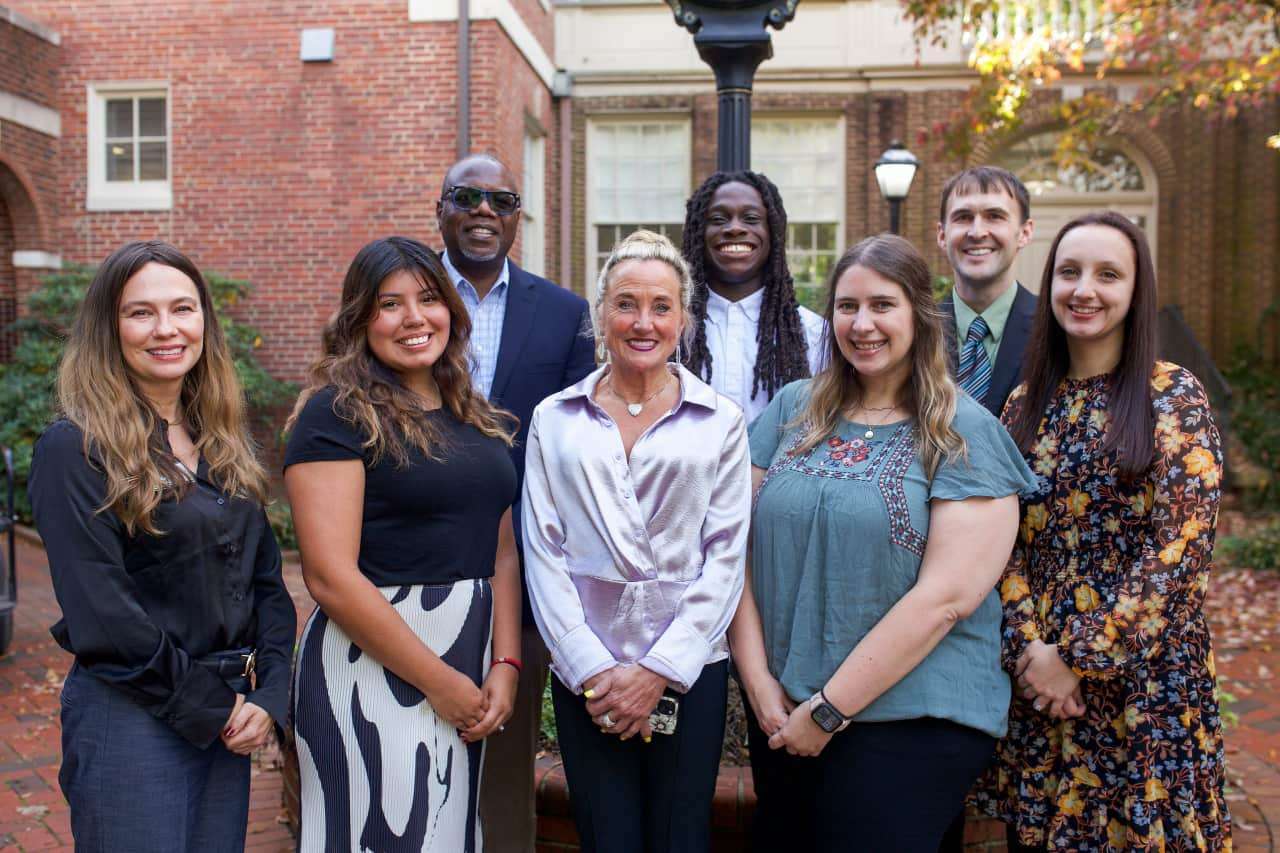
This summer, Blush, Rittby, and Newhouse presented at The Grading Conference in a shared session titled From Points to Possibility: Faculty-Led Grading Innovations for Generation Alpha Learners. The panel marked Peace faculty’s first year presenting at the virtual conference, showcasing Peace’s educational approaches to a national audience. Corvette organized and moderated the session.
“As I was talking with each of them, I realized how amazing it was that we have three faculty members on this campus trying alternative grading, and all in different disciplines – math, psychology, and English,” she said. “I thought it’d be great to bring them together to show other faculty what they’ve done and how they’ve set it up. My goal was to help other people who attended the conference understand what Peace is doing, what immersive learning is, and that alternative grading is becoming more of a discussion in terms of how it can help our students.”
Hearing from faculty at other schools across the country revealed common trends and shared struggles as alternative assessment models evolve, Rittby said.
“It was nice to see this national audience of people saying a lot of the same things that we’re saying, sharing similar struggles and successes,” she said. “Knowing that we’re not alone gives me hope for more people coming onboard and giving it a try. It shows that this is something you can do that’s valid, rigorous, and supported by a lot of research.”


