














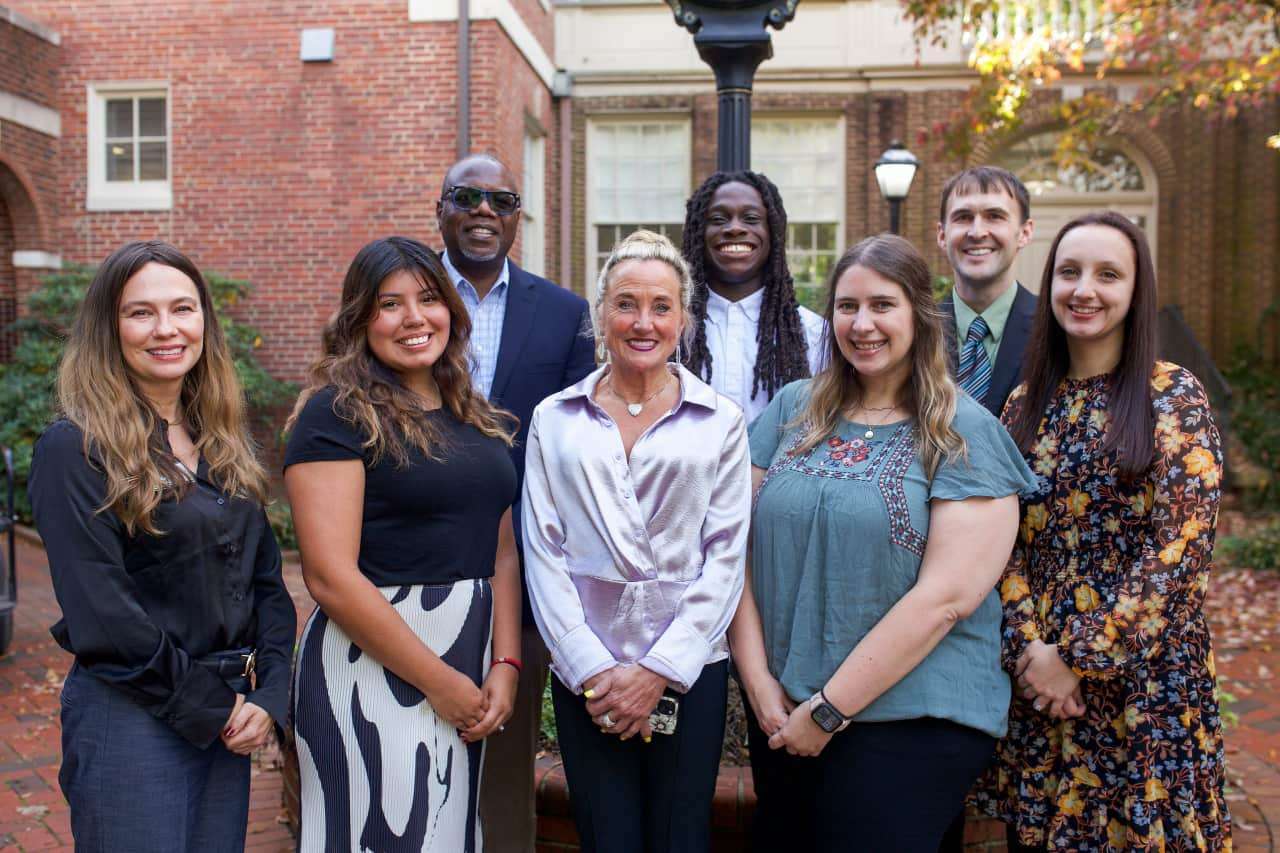




“The provost’s portfolio spans the full academic enterprise — teaching, learning, and research — and that breadth is what allows us to build new programs, pursue research funding, and align our academic offerings with the workforce demand of our industry partners,” said President Jennifer Walsh. “By refocusing Dr. Szymanski’s role from day-to-day management to strategic leadership, Peace is better able to seize the opportunities available to us today.”
Preparing for What’s Next
The title change comes as Peace prepares for its next stage of academic growth. The University is looking to launch its first graduate-level program in 2027-28 with a Master of Science in Cybersecurity. At the same time, Peace has engaged McAllister & Quinn, a Washington, D.C.-based firm, to support the development and submission of federal grant funding requests. Together, graduate program development and expanded funding sources will create new opportunities for students, faculty, and academic partners.
“William Peace University continues to emphasize growth, innovation, and student success, which makes a stronger chief academic title both timely and important,” Szymanski said. “It underscores a more comprehensive academic division that supports not only undergraduate learning, but also new programs, workforce relevance, and pathways that meet students where they are.”
Building on a Strong Foundation
Under Szymanski’s leadership, Peace has made significant progress in strengthening the student academic experience. The University successfully implemented a new general education curriculum and transitioned from a three-credit to a four-credit course model, placing immersive learning at the center of the undergraduate experience.
In addition, Peace has expanded faculty development, strengthened retention and student-success efforts, and deepened relationships with industry and community-college partners. Academic additions and revisions have included the launch of a clinical and behavioral research major, updates to the user experience design program, and new transfer pathways with Wake Technical Community College and Durham Technical Community College.
A Student-Centered Academic Future
Szymanski is focused on sustaining the elements that distinguish a Peace education while expanding opportunities for students. She will continue to prioritize the development of undergraduate and graduate programs that respond directly to industry needs while providing faculty with the support needed to mentor, challenge, and prepare students for meaningful careers.
“My focus is on preserving what makes a Peace education strong while creating new opportunities that meet the needs of today’s students and tomorrow’s workforce,” she said.


