













Come for the opportunity to work for the National Security Agency. Stay for the chance to arrest a perpetrator in the parking lot by Joyner House, which, by the way, is staged.
The Criminal Justice (CRJ) major at William Peace University, under the direction of Dr. Elizabeth Kusko, is sending graduates out into the world, prepared to make an immediate impact in their chosen field.
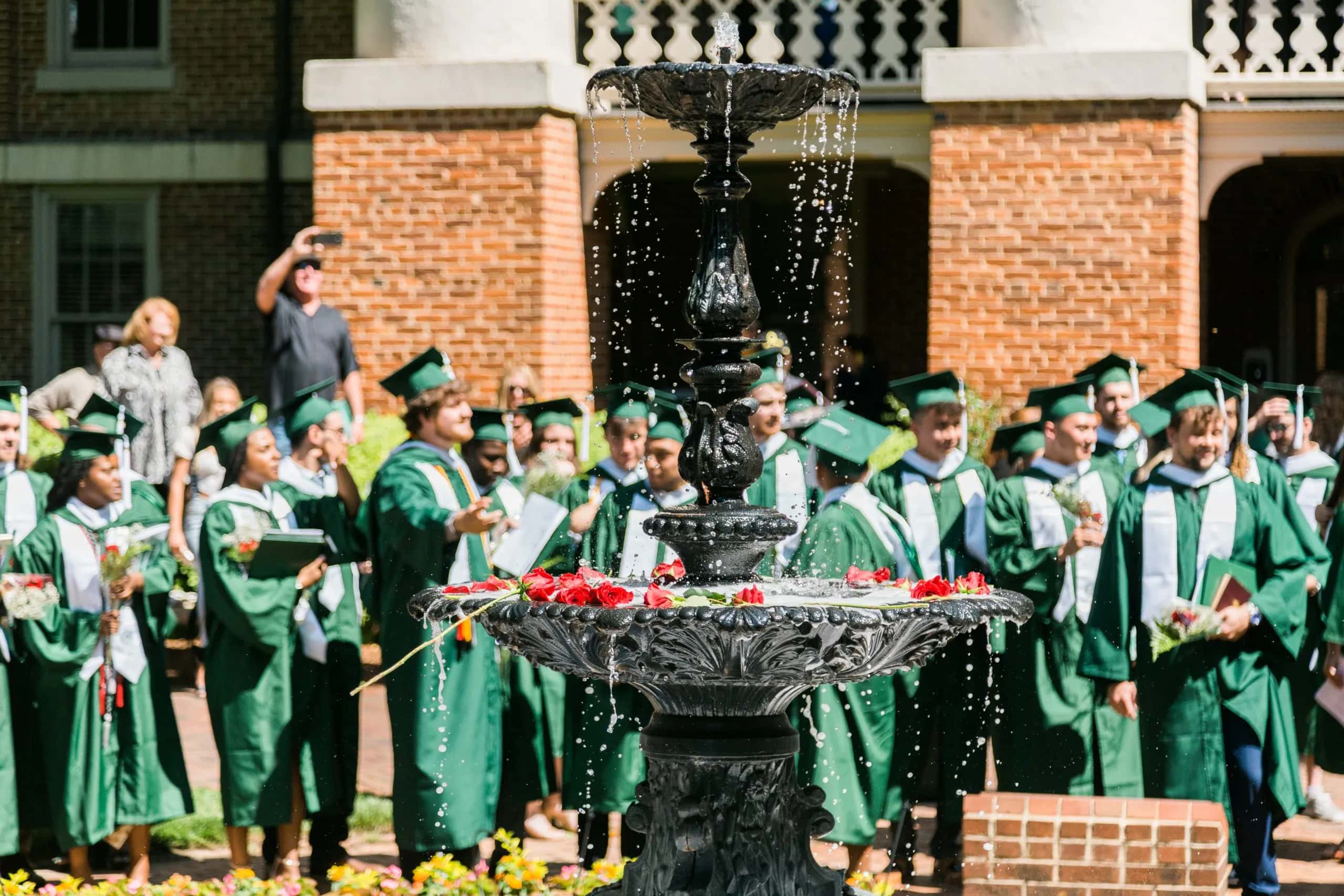
Recently, six Peace graduates were accepted into Law School. Another CRJ alum, Sierra Silvey, is headed to Georgetown University for graduate school after a successful internship with the Raleigh Police Department (RPD). Those are just a few examples of how students from the major are thriving.
Over the last four years, 100% of Peace Criminal Justice majors were employed within one year of graduation. More than 20% of these graduates are in law enforcement. At the same time, many have chosen to work with nonprofits or government agencies, such as the NC Department of Justice, the Chief Medical Examiner’s Office, or the Women’s Center to End Domestic Violence.
These are just some of the reasons the William Peace University’s Criminal Justice Program is ranked No. 27 on the list of ‘Best 44 Criminal Justice Colleges in 2025’ according to BestValueSchools.org.
TO HUNT-A-KILLER
Given Peace’s emphasis on immersive learning, one of the premier projects in the CRJ program is the ‘Hunt-A-Killer’ assignment Kusko gives to her students.
Instead of lecturing for hours on how to catch criminals, Kusko lets the students actively apply what they’ve been taught by setting up a simulation to catch “bad guys.”
Students work in groups of three, and have six case boxes that come with evidence and information to help them determine who is a suspect and who isn’t. In each box, students eliminate one suspect until the criminal is caught.
“It’s cool because you’re getting into it,” Silvey said. “It’s interesting going through and applying what we know.”
Everything students have seen in the movies or on TV (Law & Order, anyone?), they get to do in Kusko’s class. It keeps the students engaged, while also testing if they are retaining the information without taking a standard test or quiz.
“They are getting that experience of actively applying knowledge into practice,” Dr. Michelle Corvette, Director of Faculty Development and Immersive Learning, said. “That allows our students to reflect and say, ‘yeah, this is what I want to do.’”
Kusko also invites local law enforcement officers to the class to help with a mock simulation of an arrest or sting operation, and students can ask them about how to conduct an investigation.
“They are learning not by reading the textbook or having someone lecture,” Kusko said. “So it’s cool stuff.”
BRIDGE TO THE COMMUNITY
The CRJ program at Peace has sent several students on to the RPD.
Additionally, Kusko has established partnerships with local agencies, including the Wake County Sheriff’s Office, the FBI, and the District Attorney’s Office.
“There’s that bridge to the community,” Corvette said. “It gives back to students, and they think, ‘maybe I want to go into law enforcement.’”
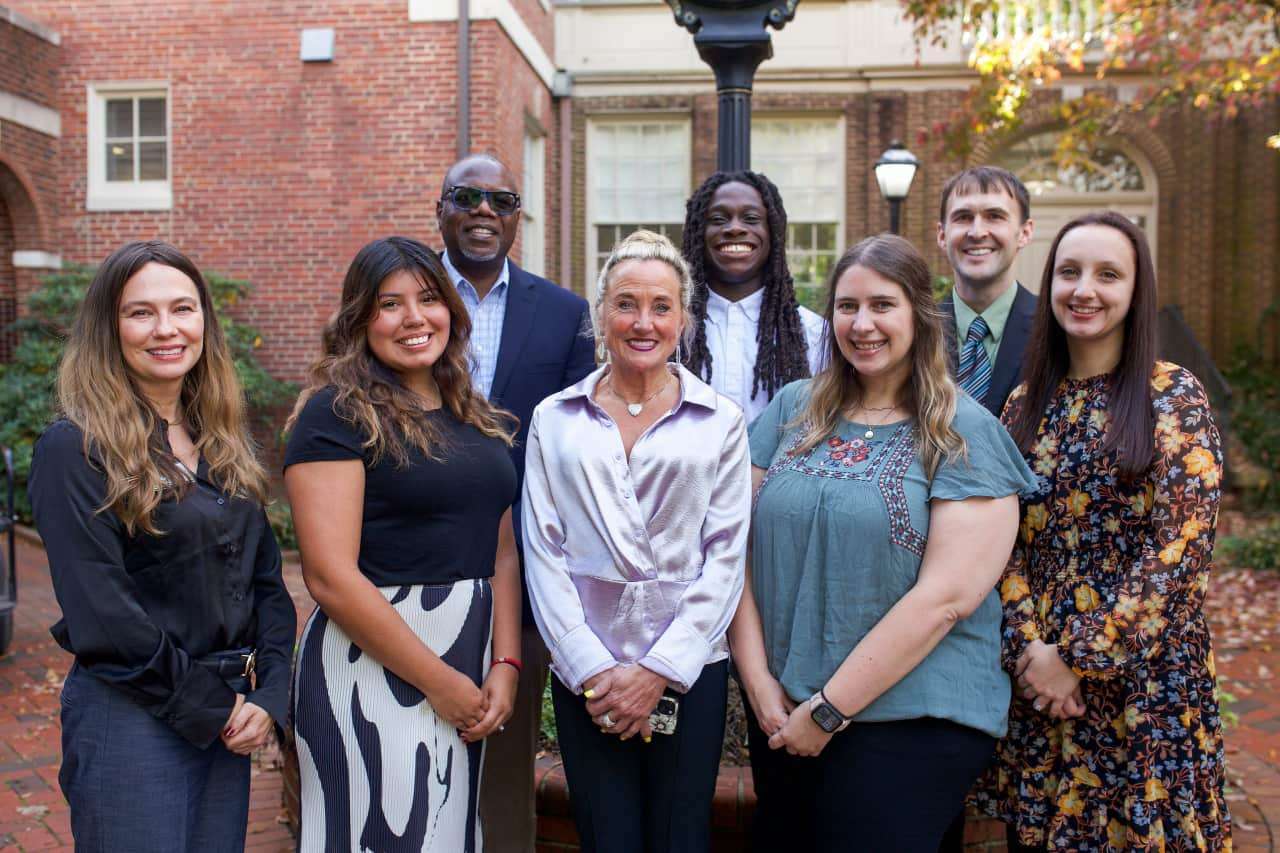
Kusko, who knows the students personally and is willing to go the extra mile to make connections, places a strong emphasis on community. The program is designed for political science and pre-law majors to experience everything together, which helps with retention.
“They (CRJ majors) helped each other,” Kusko said. “They had so many classes together, and they knew each other so well that they pushed each other.”


